Leak Detection in Middlesex County, MA

The Leak Is Almost Never Where the Stain Is

Water runs along a joist, drops through the first gap it finds, and surfaces in a room nowhere near the pipe that failed. Most of our plumbing services start with you knowing what’s broken. This one starts with a stain on the ceiling and no way of telling where the water came from. Opus traces hidden leaks back to the source and repairs or repipes the run, across Middlesex County and the Merrimack Valley, out of North Billerica. We isolate first and open second, because cutting drywall to look is an expensive way to guess. If water is running right now, that’s 24/7 emergency plumbing.

Request Ticket
How Can We Help?
Customer Info
Who is this for?
Only used to confirm your request.
Customer Info
Your email
Only used to confirm your request.
Customer Info
Your phone or mobile number
Only used to confirm your request.
Visit Details
Where should the team go?
Final Note
Anything we should know?
Loading Form

Is Something Leaking Behind the Wall?

Signs of a Hidden Plumbing Leak

A concealed leak announces itself indirectly, and usually for weeks before anyone connects the symptoms.

The water bill jumped and nothing changed.

The most reliable early sign there is. A leak that never stops runs up usage steadily while everything in the house looks normal.

A musty smell with no visible damp.

Wet framing and wet insulation smell long before anything shows on a surface. Trust your nose over your eyes on this one.

A stain or a soft patch on a ceiling or wall.

By the time it surfaces, the leak has usually been going for a while and the source is somewhere above and to one side of what you can see.

A warm patch on the floor.

A hot water line leaking beneath a slab heats the floor above it. Unexplained warmth in one spot is worth a call rather than a mystery.

Pressure that dropped and stayed down.

Not everywhere at once and not overnight, but a gradual decline across the whole house. Covered further down, because this one has more than one cause.

There's a test worth doing before you call.

Shut every fixture and appliance in the house, note the reading on your water meter, then leave it an hour without using anything. If the meter has moved, water is going somewhere it shouldn’t. That single check tells us more than any description of a stain.

SUBMIT A FORM & REACH OUT

We Find It Before We Open Anything

How Water Leak Detection Actually Works

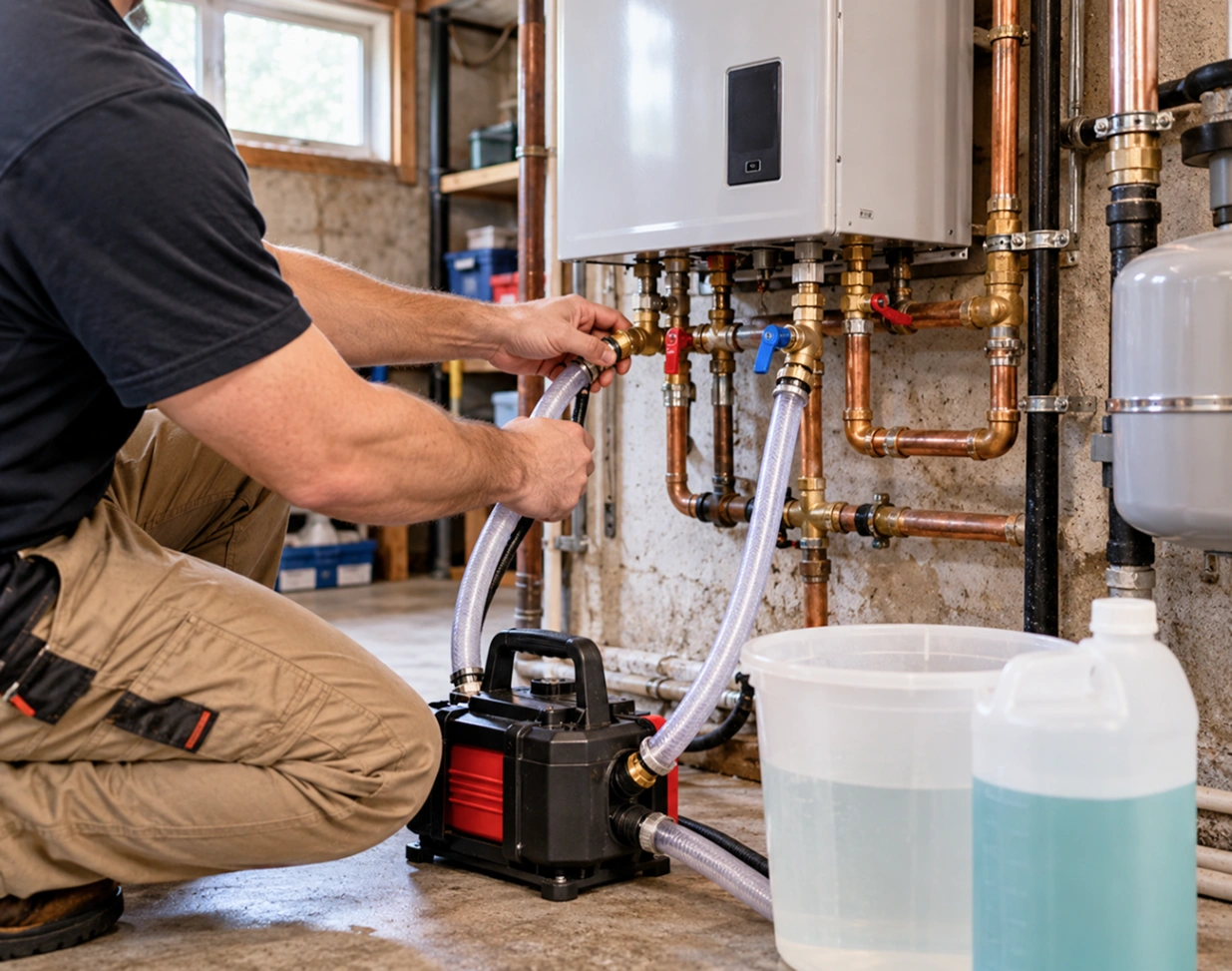
Cutting into a wall to have a look is how a small leak turns into a large invoice. Four things happen first.

Isolate by section.

Shutting off zones in sequence and rewatching the meter narrows which branch is losing water, often to a single run, before any tool touches a surface.

Listen.

Pressurised water escaping a pipe makes a specific noise that carries through the structure. Acoustic equipment picks it up where an ear against the wall won’t.

Read the temperature and the moisture.

A thermal reading finds a hot line under a floor or behind plaster. A moisture meter tells us how far the water has travelled, which is usually further than the stain suggests.

Pressure test the suspect run.

Isolating a section and putting it under test confirms it before we commit. It also rules out the runs that are fine, which is what keeps the opening small.

One boundary worth naming now.

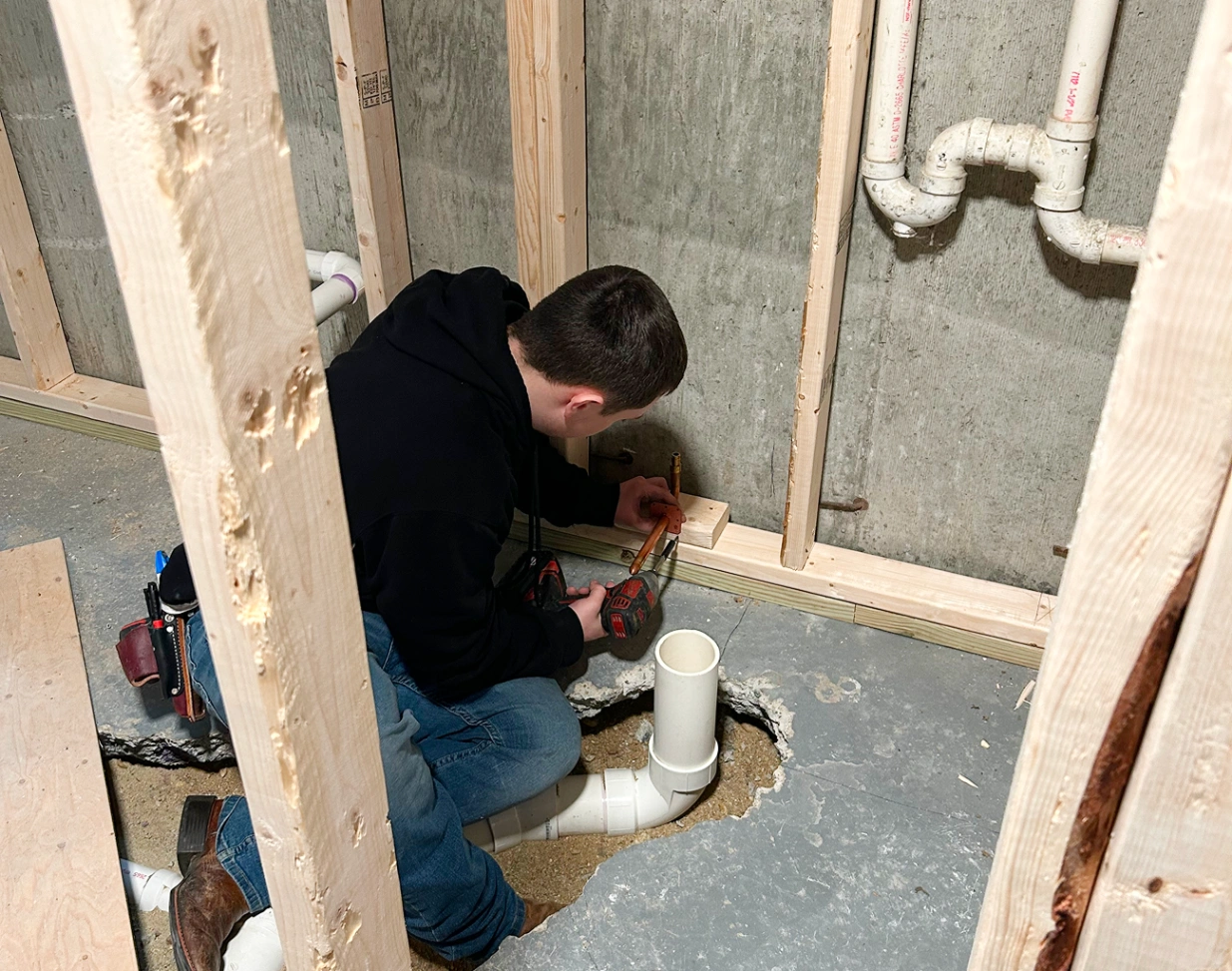
We open what’s needed to reach and repair the pipe. We don’t patch, plaster, retape or repaint afterwards. That’s a different trade and you’d get a worse job from us than from someone who does it daily. You’ll know the size of the opening before we start.

Two Pipe Materials Are on Borrowed Time

Galvanized and Polybutylene Pipe Replacement

Much of the older housing stock around Woburn, Winchester and Lexington still has original supply piping, and two materials in particular are worth identifying in your own basement.

Galvanized steel closes up from the inside. Corrosion builds on the pipe wall over decades until the bore is a fraction of what it was, so the symptom is usually falling pressure and rusty water long before anything leaks. By the time a galvanized line drips, the rest of it is in the same condition and patching one spot buys very little.


Polybutylene is the grey plastic pipe used in homes built or replumbed roughly between the late 1970s and the mid 1990s. It’s known for failing at the fittings, often without warning, and many insurers treat its presence as a liability on the property. If you have grey plastic supply lines, it’s worth knowing that before a fitting decides for you.

Copper and PEX Repiping

Copper is what most of this housing stock was built with after galvanized and what a lot of people still prefer. Long-lived, rigid, and straightforward to repair in sections later.


PEX is flexible, which means fewer joints, faster installation and far less opening up of finished walls to route it. On a whole-house repipe in a finished home, that difference is measured in how much of your house has to come apart.


Neither is the automatic answer. We’ll tell you which suits your layout and why. A whole-house repipe is one of the biggest jobs we do, and financing through Wisetack spreads it monthly if the total is what’s stopping you.

A Ceiling Stain Started Somewhere Else

Ceiling Leaks and Bathroom Leaks

A wet patch on a first-floor ceiling under a bathroom is the most common version of this call, and the bathroom is right about half the time.


The supply side leaks constantly, whether anyone is using the room or not. That’s a steady stain that grows daily.


The waste side only leaks when the fixture runs, so the stain appears after a shower and dries between. That pattern alone narrows it considerably.


And it isn’t always plumbing at all. Grout that’s gone, a failed seal at the base of a shower, or a wax ring under a toilet will all put water through the floor while every pipe in the house is sound. We check those before opening a ceiling. If it turns out to be a fixture rather than a pipe, that’s fixture repairs rather than a leak hunt.

Low Water Pressure Isn't Always a Leak

Pressure Reducing Valves and Pressure Problems

Pressure that has fallen across the whole house has a short list of causes and only one of them is a leak.


A failing pressure reducing valve is the most common. It sits where the supply enters the house, it’s meant to hold incoming pressure at a sensible level, and when it fails it usually fails low. Everything in the house weakens at once, which is the giveaway.


Galvanized pipe closing up produces the same symptom gradually over years rather than suddenly.


A leak shows as falling pressure plus a moving meter. Without the moving meter, it’s probably one of the other two.


And sometimes it’s one fixture, not the house. A single weak faucet or shower is an aerator or a cartridge, not a supply problem, and that’s a much smaller job.


Where the Repipe Stops

We work on the plumbing inside your building.

Supply runs, branch lines, repairs and whole-house repiping, up to and including the point where the supply enters and is metered.

The service line from the street to the house is a different licence.

That’s municipal drain layer territory, issued town by town, and not one we hold. So no water service line replacement and no trenching in the yard, in any of the fourteen towns inside our service areas. If the loss turns out to be between the street and your foundation, you’ll be told plainly and told what kind of contractor to call.

A pipe that bursts in a cold snap is its own situation and gets handled on frozen and burst pipes.

The No-Surprise Number

One Flat Price, in Writing, Before Work Starts

Most quotes start with an hourly clock you can’t see, then add a trip charge and parts marked up somewhere you’d have to ask three questions to find. We hand you one flat number in writing before a tool comes out of the truck. On leak work that promise has to survive contact with a wall, so here is exactly how it does. We find and confirm the leak before opening anything, so the quote is built on a located fault rather than a guess. And if we open that wall and find something nobody could have known was there, we stop, give you a new number, and nothing happens until you say go. You are never watching a meter run while somebody looks for something. The number you agreed to is the number you pay.

Our Customer Feedback

Questions Billerica Homeowners Ask Us

“Clear answers. One written price. You decide before we start.”
Ricky Greene

Owner & Master Plumber

How do you find a water leak without tearing the house apart?
By isolating sections and rewatching the meter until the loss narrows to one run, then confirming with acoustic, thermal and moisture readings and a pressure test on that run. Opening up is the last step, not the first, and by then we know what’s behind the surface.
Shut every fixture and appliance, note the water meter, and leave it an hour without using anything. If the meter moves, water is going somewhere. Beyond that, a bill that climbed with no change in usage, a musty smell with nothing visible, or a warm patch on a floor are the three most reliable signs.
Depends what the pipe is made of. Copper in good condition gets repaired in the section that failed. Galvanized that’s closing up, or polybutylene that’s failing at fittings, tends to keep producing leaks, and patching one spot buys very little. We’ll tell you which situation you’re in and show you what we found.
Most often a failed pressure reducing valve where the supply enters. It can also be galvanized pipe narrowing over decades, or a leak, though a leak usually comes with a meter that moves when nothing is running. If only one tap is weak, that’s an aerator or a cartridge rather than a supply problem.

No. We open what’s needed to reach the pipe and we’ll tell you the size of that opening before starting, but patching, plastering and painting are a separate trade. You’d get a worse result from us than from someone who does it every day.

“Clear answers. One written price. You decide before we start.”
Ricky Greene

Owner & Master Plumber

The Towns We Cover Across Middlesex County

Opus runs out of North Billerica and covers roughly a 20-mile radius, from the older neighborhoods of Woburn and Winchester to the affluent, boiler-heavy homes in Concord, Carlisle, and Lincoln. If your home is within about 20 miles, we most likely cover you.

Tips for Keeping Your Water Hot and Your Basement Dry

It’s about to get cold

Which pipes freeze first, what to do in October so they don’t, and what to do at two in the morning if one already has. Frozen and burst pipes  covers all of it.

You think something’s leaking

Stains, a meter still ticking with every tap shut off, a warm patch of floor. Leak detection finds where the water is actually coming from before anybody opens a wall.

Your boiler needs looking at

How often hot water and steam systems want servicing, what the annual visit includes, and which noises are worth calling about. Boiler service and repair  answers all three.

SUBMIT A FORM & REACH OUT