Water Heater Installation in Middlesex County, MA

The One Appliance Nobody Thinks About Until It's Cold

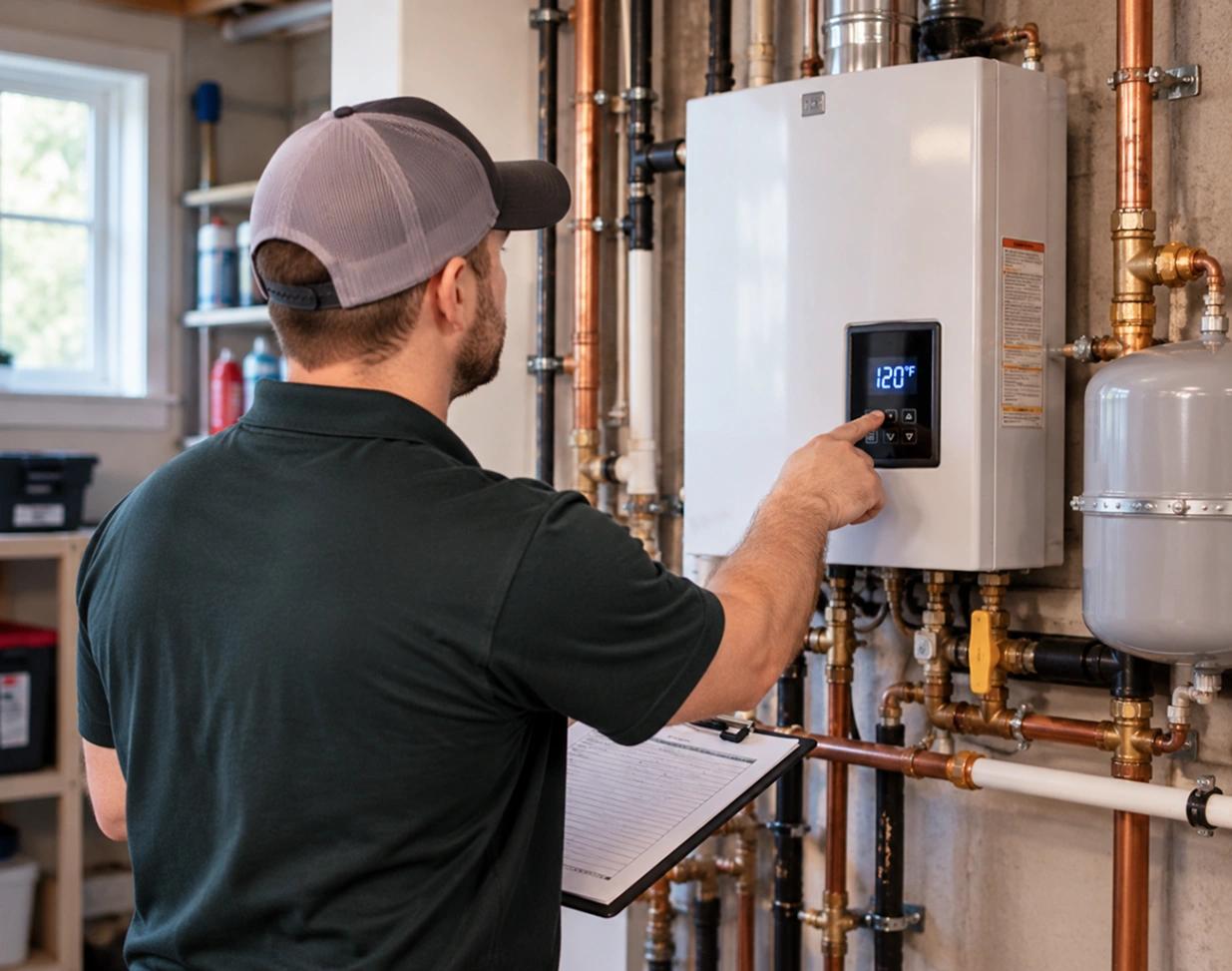
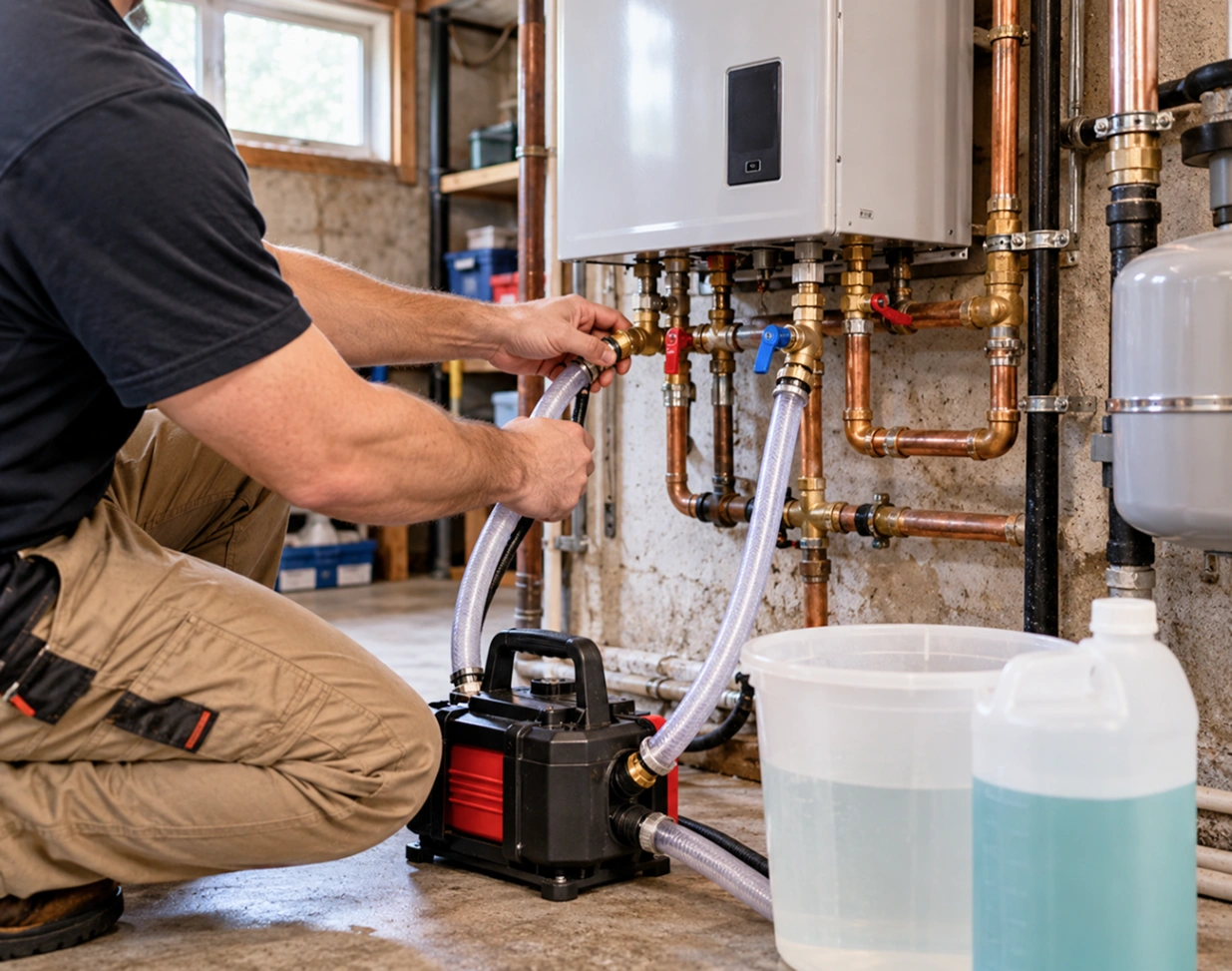
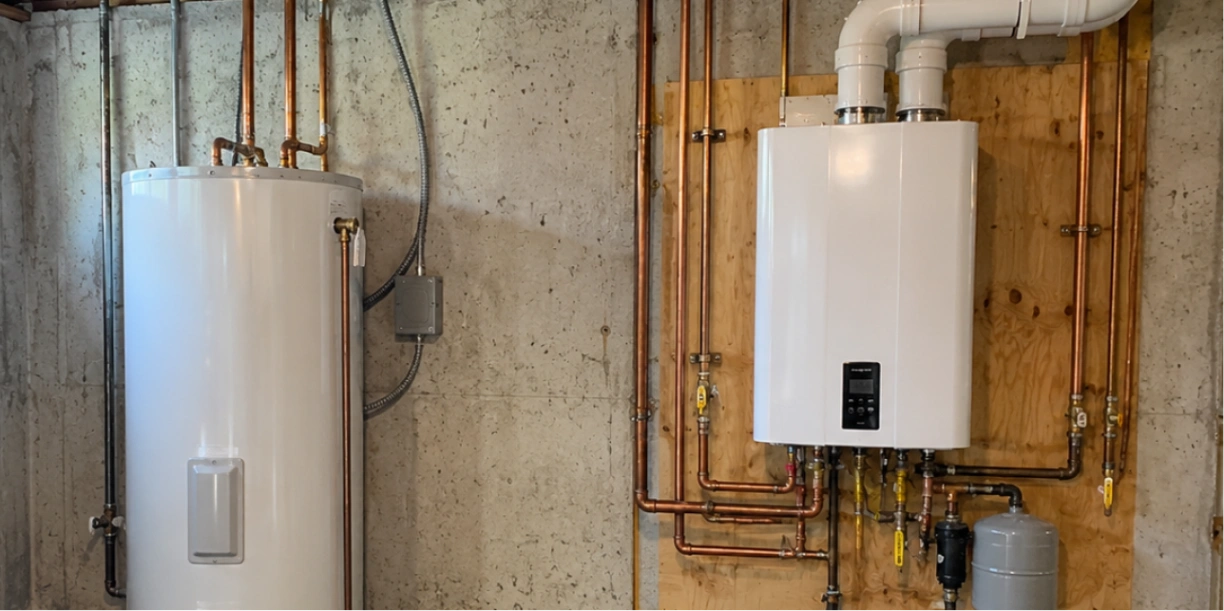
Opus installs and replaces gas and electric water heaters across Middlesex County and the Merrimack Valley, out of North Billerica. Of all our plumbing services, this and boilers are the two Rick calls the company’s biggest. You get one flat price in writing before a tool comes out of the truck, with the permit, the town inspection and hauling the old tank away already inside it. Same day is often possible when the schedule allows. If the hot water has gone completely, 24/7 emergency plumbing is answered at any hour.

Request Ticket
How Can We Help?
Customer Info
Who is this for?
Only used to confirm your request.
Customer Info
Your email
Only used to confirm your request.
Customer Info
Your phone or mobile number
Only used to confirm your request.
Visit Details
Where should the team go?
Final Note
Anything we should know?
Loading Form

When It's Time to Replace Your Water Heater

A water heater rarely dies without warning. It gives you a few months of hints first, and most people read them as normal ageing rather than a countdown.

Hot water runs out faster than it used to.

The tank holds the same amount it always did. What changed is the sediment sitting in the bottom of it, taking up volume and insulating the burner from the water it’s trying to heat.

Rusty or metallic water from the hot tap only.

If the cold runs clear and the hot doesn’t, the corrosion is inside the tank. The anode rod that was protecting the steel has been spent for a while.

A rumble or a popping sound when it fires.

That’s water flashing to steam underneath a layer of hardened sediment. It means the tank is working harder than it was built to.

Damp around the base, or a stain on the pan.

A seeping tank doesn’t get better. Tanks fail from the bottom, and the gap between a damp floor and an emptied tank is often measured in weeks.

It's past its age and you've had one repair already.

Most tank heaters run 8 to 12 years. Around here hard water can take a couple off that, which is why a heater rated for twelve sometimes quits at seven.

Repair or replace?

A heater under eight years old with a failed thermostat or element is usually worth fixing. Past ten, with a tank that’s rusting, you’d be paying to keep something alive that’s already told you it’s finished. Water heater repair is where that call actually gets made, and we’ll tell you which side of it you’re on rather than defaulting to the bigger job.

SUBMIT A FORM & REACH OUT

Choosing the Right Water Heater for Your Home

Gas and Electric Tank Water Heaters

Gas is the common setup here, because it’s already at the street in the municipal towns. A gas tank recovers faster than electric, which matters more than raw capacity in a house where three people shower inside an hour.


Electric suits homes with no gas service, difficult venting, or less demand. Fewer components, no combustion air, no flue. It recovers more slowly, so sizing has to be done properly rather than matched to whatever was there before.


On size, the old tank is a starting point, not an answer. A 40 gallon gas heater suits many two-bathroom houses, 50 is the common upgrade when a family outgrew the original, and 80 gallon electric shows up in larger homes without gas. What decides it is how many bathrooms run at once, how many people, and whether something oversized like a soaking tub is on the line.


An indirect water heater is worth knowing about if you already have a boiler: a tank with no burner of its own, heated by the boiler through a coil. A genuine New England setup, and that sizing conversation runs through the heating side rather than this page.


Hybrid and Heat Pump Water Heaters

A heat pump water heater pulls warmth out of the surrounding air rather than making it from scratch, so it uses far less electricity than a standard electric tank. Hybrid units do both, switching to conventional elements when demand spikes.


They need conditions to work well: unheated space around them, usually a basement rather than a closet, and a drain for condensate. They also cool the room they sit in, welcome in July and less so in January.


On rebates, utility and state incentive programs for this equipment come and go, and the rules change year to year. We don’t administer them or advise on what’s currently available, so check with your utility before planning around a number. What we will tell you is whether your basement suits the equipment, which is what decides whether you’d be happy with it.

When a Tankless Upgrade Makes Sense

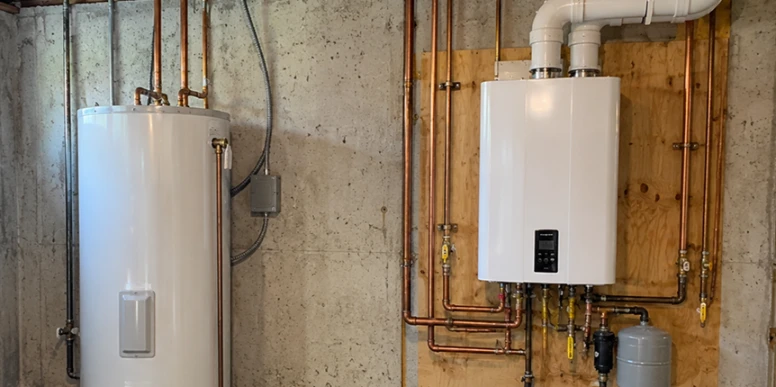
Tankless is worth considering if you keep running out of hot water, want the floor space back, or have the gas capacity for it. Endless hot water is the real selling point, not efficiency alone.


It isn’t automatically the better choice. Tankless water heaters cost more up front, want annual descaling to keep the warranty intact, and often need the gas line upsized. If a straight tank swap does what you need, we’ll say so. If it’s genuinely the right call for your house, there’s currently $400 off a tankless upgrade on our special offers.

What Your Water Heater Installation Includes

Permit, Inspection and Haul-Away, Included in the Price

This is where a quote either holds up or starts growing. Four things are inside our number that frequently sit outside somebody else’s.

The permit.

In Massachusetts a water heater replacement needs a permit pulled by a licensed plumber. Ours is master plumber license 16813-PL-M. The fee is inside the quoted price, not added at the end.

The town inspection.

An inspector comes out and signs off, and you get the card. We meet them. You are not billed by the hour for the time Rick spends waiting on an inspector in Chelmsford or Tewksbury. That’s our cost of doing the job properly.

Hauling the old tank away.

It leaves in our truck. Not on your curb waiting for a Saturday dump run, and not as a disposal line item.

A full year on labor and materials.

Both halves. Manufacturer coverage on the tank itself runs separately and usually longer.

On what a water heater installation costs, we don’t publish figures, because a number without your house attached to it is a guess. What moves the price is knowable though: tank size, gas versus electric, whether the venting has to change, whether code upgrades are triggered, and whether the gas line can carry what you’re putting in. We look, then we hand you one number. If money is the obstacle rather than the decision, financing through Wisetack spreads it monthly, and there’s $50 off for new customers.

Venting, Expansion Tanks and Massachusetts Code

Thermal Expansion Tanks

Water expands when you heat it, and it has to go somewhere. In an older open system it pushed back toward the street. Most homes now have a backflow preventer or pressure reducing valve on the incoming line, which closes the system. The expanding water has nowhere to go, so pressure climbs.

That's what a thermal expansion tank absorbs.

Without one, a closed system takes that pressure out on the T&P relief valve, which starts weeping, and on the tank seams. It’s the most common thing we find missing on a heater somebody else installed. It gets charged to match your house’s static pressure, not fitted out of the box and left. A tank charged wrong does very little.

Venting and Gas Line Sizing

A gas heater has to exhaust safely, and that depends on the unit. Natural draft vents up an existing chimney or flue. A power vent blows exhaust out a side wall, opening up locations a chimney never could. Direct vent draws combustion air from outside as well. Swapping between those types is not like-for-like. Natural draft to power vent means new venting, a nearby outlet and a condensate path. Often the right call. It just needs pricing as what it is, up front, rather than discovered halfway through.

Gas line sizing is the one that catches people.

A house piped years ago for one appliance may not carry a new heater alongside everything else on the line. We run the BTU math before quoting. If the main needs upsizing, that’s in the written number from the start, not a phone call from your basement. Two more things turn up in older houses here: a drain pan with a routed discharge line, which many finished basements should have and don’t, and old galvanized pipe at the connections that sometimes has to be replaced back to sound material. Both get flagged when we look, not after.

Brands We Install and Service

State and AO Smith are what we install most often, and what you’ll see on the trust strip. Bradford White and Rheem we install and service as well. All four are widely stocked and easy to get parts for years down the line, which matters more than any brochure claim about efficiency.


We don’t install oil-fired water heaters. Gas and electric only. If yours runs on oil, we’re the wrong call and we’d rather say so on the phone.


No manufacturer certification is claimed here. We install and service these brands. That’s a different statement from holding a badge, and we’d rather draw the line honestly.

Water Heater Installation Across Middlesex County

Opus works roughly 20 miles out from North Billerica. Woburn, Chelmsford and Tewksbury generate more replacements than anywhere else on the map, because of the age of the housing and what the water does to a tank over a decade.


Permits are local, and that’s not a formality. Each town runs its own office, scheduling and inspector. Knowing how a particular one works is the difference between closing out on Thursday and closing out next week. It’s also why the inspection sits inside our price rather than as an hourly line. The waiting is our problem to manage.


If your town isn’t in our service areas, call and ask anyway. The edge of the radius isn’t a hard line, and we’d rather tell you on the phone than have you assume either way.

The No-Surprise Number

One Flat Price, in Writing, Before Work Starts

Most water heater quotes start an hourly clock you can’t see, then add a permit fee, a disposal charge, and the hour somebody sat in your driveway waiting on the town inspector. We hand you one flat number in writing before a tool comes out of the truck, and the permit, the inspection and the haul-away are already inside it. If we pull the old tank and find the venting has to change or the gas line won’t carry the new unit, we stop, give you a new number, and nothing happens until you say go. The number you agreed to is the number you pay.

Our Customer Feedback

Questions Billerica Homeowners Ask Us

“Clear answers. One written price. You decide before we start.”
Ricky Greene

Owner & Master Plumber

How long does a water heater last?
Most tank heaters run 8 to 12 years. The water in much of this area is hard enough that scale builds on the bottom of the tank and wears the anode rod out early, so a heater rated for twelve sometimes quits closer to seven. Age alone isn’t the trigger. Age plus rusty hot water, or age plus a first repair, usually is.
Under eight years with a failed thermostat or element, repair. Past ten with a rusting tank, replace. In between it comes down to what failed and what the tank looks like inside. We’ll tell you which side you’re on rather than defaulting to the bigger job.
Bathrooms and simultaneous demand decide it more than the number of people. A 40 gallon gas heater covers many two-bathroom homes, 50 is the usual step up, and larger electric tanks show up in bigger houses without gas. The tank you have now is a starting point, not the answer.
Yes, and only a licensed plumber can pull it. The job is inspected afterwards and you should end up holding a signed card. Ours is priced into the quote rather than billed separately, and an unpermitted install can follow you into an insurance claim or a house sale.
Often, when the schedule allows and the replacement is like for like. If the venting has to change or the gas line needs work, it usually becomes a next-day job, and you’ll hear that when we look rather than at five o’clock.
“Clear answers. One written price. You decide before we start.”
Ricky Greene

Owner & Master Plumber

The Towns We Cover Across Middlesex County

Opus runs out of North Billerica and covers roughly a 20-mile radius, from the older neighborhoods of Woburn and Winchester to the affluent, boiler-heavy homes in Concord, Carlisle, and Lincoln. If your home is within about 20 miles, we most likely cover you.

Tips for Keeping Your Water Hot and Your Basement Dry

It’s about to get cold

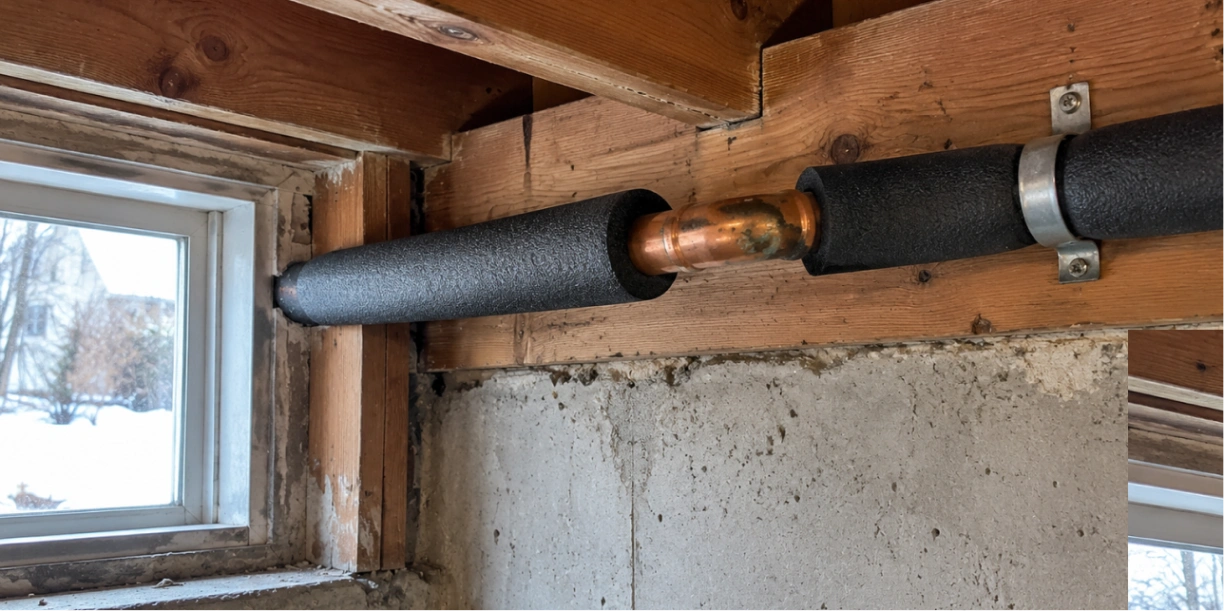
Which pipes freeze first, what to do in October so they don’t, and what to do at two in the morning if one already has. Frozen and burst pipes  covers all of it.

You think something’s leaking

Stains, a meter still ticking with every tap shut off, a warm patch of floor. Leak detection finds where the water is actually coming from before anybody opens a wall.

Your boiler needs looking at

How often hot water and steam systems want servicing, what the annual visit includes, and which noises are worth calling about. Boiler service and repair  answers all three.

SUBMIT A FORM & REACH OUT